
 Camille.Richard
 Pepper fascinates with its apparent simplicity and aromatic complexity. Coming primarily from a single species, *Piper nigrum*, it appears in different colors—black, white, green, and red—depending on the ripeness of the berries and post-harvest processing. These variations modulate the intensity, subtlety, and aromatic profiles, from the sharp spiciness of black peppercorns to the fruity hues of red ones. The history of pepper spans continents: originating on the Malabar Coast, it traveled via maritime routes and trade to become a staple of world cuisines. Today, choosing a pepper depends as much on the terroir as on the drying, storage, and packaging processes. This article offers a detailed exploration of these four colors, practical tips for cooking with them, and guidance on selecting and storing exceptional peppers from renowned producers such as *Le Comptoir Colonial*, *Epices Roellinger*, and *Terre Exotique*. Botanical Origins and Terroir of Pepper: Understanding Piper nigrumand Terroirs The botanical story of pepper begins withPiper nigrum , a climbing vine native to the Malabar Coast in southwestern India. Its cultivation now extends to the humid tropical regions of Asia, Africa, and Latin America. Aromatic yield depends on a number of factors: the variety of the rootstock, climate, soil, altitude, and cultivation practices. Trade names—Kampot pepper, Penja pepper, Sarawak pepper, or Lampong pepper—refer to specific terroirs, each contributing a particular sensory signature.The pepper plant flowers and forms clusters of berries. The harvest stage determines the final color and flavor profile. Post-harvest processing (drying, fermentation, soaking) further develops the aromatic profile. Summary table: Harvest stages and characteristics Type Harvest stage TreatmentAromatic profile Common Uses Black Pepper Harvested before maturity (yellow/orange)Sun-dried -> skin turns black
Pungent, powerful, woody notes Meats, sauces, everyday seasoning White Pepper
Ripe berries (red) Soaking to remove the pulp -> dried kernelMilder, earthy, fermented notes White sauces, fish, light dishesGreen Pepper Immature, undried peppercornPreservation: freeze-dried, brined, or fresh Fresh, herbaceous, less pungent Fresh sauces, Thai dishes, condiments Red Pepper Fully ripened peppercorn
Kept fresh or shade-dried
Fruity, sweet, date notes
| Gastronomy, red meats, sweet and savory pairings | A few emblematic terroirs shape the aromatic palette: | India (Malabar): tradition and varietal diversity. | Island of Madagascar: intense and exotic notes. Vietnam and Brazil: high production, varied profiles depending on the region. | Kampot (Cambodia): Protected Designation of Origin (PDO), delicate and floral. |
|---|---|---|---|---|
| Penja (Cameroon): pronounced minerality, growing reputation. | When choosing a pepper, considering the terroir is like selecting a “reading” of the fruit. Specialized companies like | Épices de Cru | or | Le Monde des Epices |
| highlight the origin. Detailed resources help you delve deeper, for example, the website | poivres.info | or the technical analysis on | Passeur des Saveurs | . |
| Practical advice: favor whole peppercorns and airtight storage. | Professional tip: grind at the last minute to preserve the essential oils. | Caution: ground pepper loses much of its aroma and can be adulterated. | Knowledge of the terroir is the starting point for thoughtful use in cooking. This botanical overview guides you toward specific choices in the sections that follow. | |
| Insight: terroir and post-harvest processing influence the personality of a pepper more than color. | Discover the differences between black, white, green, and red pepper: their origins, flavors, and culinary uses to enhance your dishes. | Black Pepper: Harvesting Method, Piperine, Aromatic Profile, and Uses | Black pepper is the most widespread and versatile form. The peppercorns are harvested when the berry begins to turn yellow or orange, then dried. During drying, the skin shrivels and blackens under the action of enzymes, concentrating the essential oils. This process develops a pungent intensity due primarily to piperine, the compound responsible for the pepper’s spiciness. | The flavor of black pepper is described by layers: a spicy attack, a warming body, and a woody, sometimes resinous, finish. Depending on the terroir, the peppercorn can be fruitier (some varieties from Madagascar) or more mineral (Penja). |
Processes and Varieties
- The methods strongly influence the result:
- Sun-drying: a traditional method that develops powerful aromas. Mechanical drying: humidity control, consistent quality.
- Stone milling: preservation of volatile oils (used by some artisanal mills).
- Suppliers like
- Ducros
or Thiercelin offer industrial ranges, while specialist producers (for example Savor & Sens ) focus on small batches. Chefs and fine grocers often favor small origins: Epices.com details these differences. Culinary uses and pairingsBlack pepper excels as a finishing seasoning and for maceration. Its spiciness enhances red meats, pot-au-feu, and stews. A crushed peppercorn releases aromas quickly—display pepper on a ribeye steak, as a peppercorn on a cheese board, or in an aromatic broth.
- Red meats: intensity and aromatic persistence.
- Charcuterie and sauces: balance of fat and acidity.
Slow-cooked dishes: gradual infusion of essential oils.
An example of a pairing: crushed Kampot black pepper with a pink rack of lamb. The intensity complements the texture and juices. For those seeking a more refined alternative, exploring the offerings of Le Comptoir des Saveurs
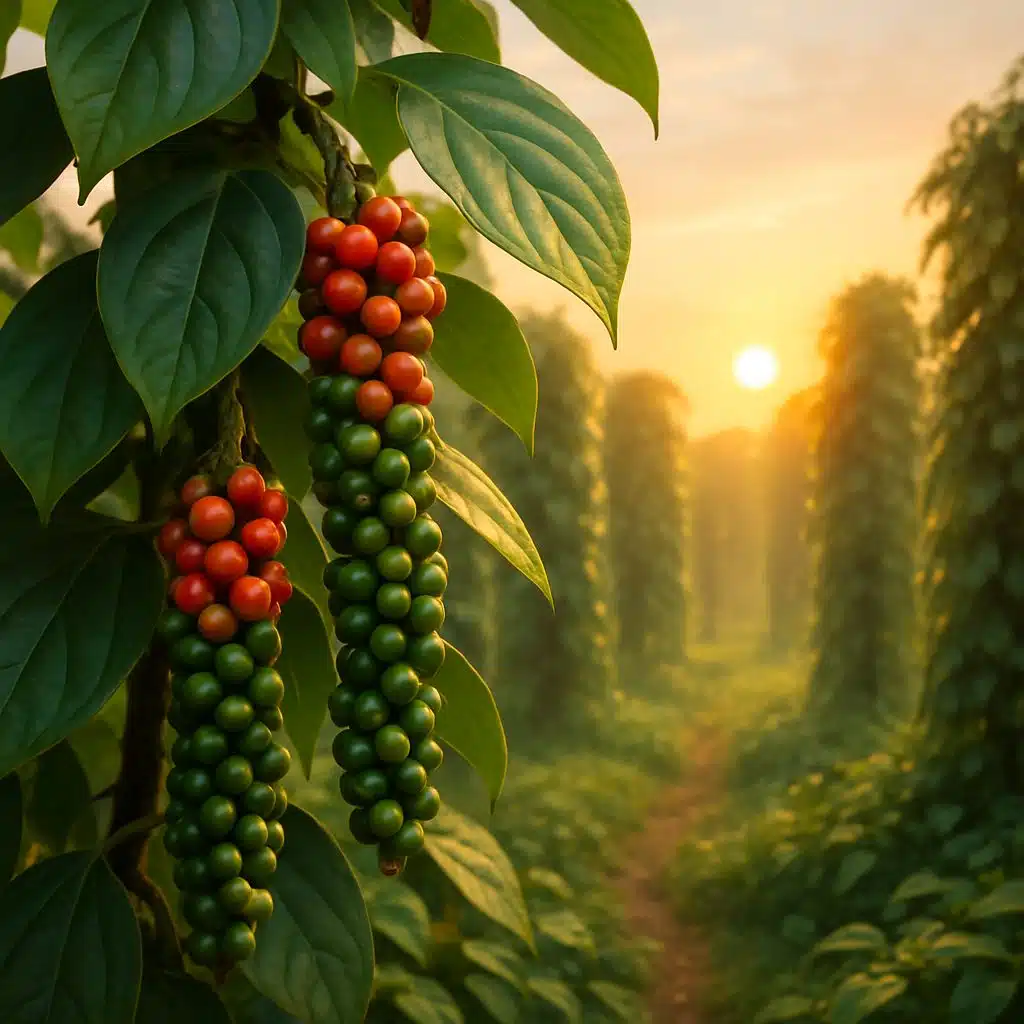
Advantages and characteristics The main advantage of black pepper is its versatility. It withstands heat and boiling better than green pepper, and develops notes through light roasting. The compoundpiperine
is also being studied for its potential benefits (digestive stimulation, improved absorption of certain nutrients), though it is not considered a cure-all.
Storage: whole peppercorns, away from moisture.
Best use: crush just before serving.
- Caution: avoid prolonged overheating to preserve the aromatic oils.
- To delve deeper into industrial and artisanal selection practices, the summary on
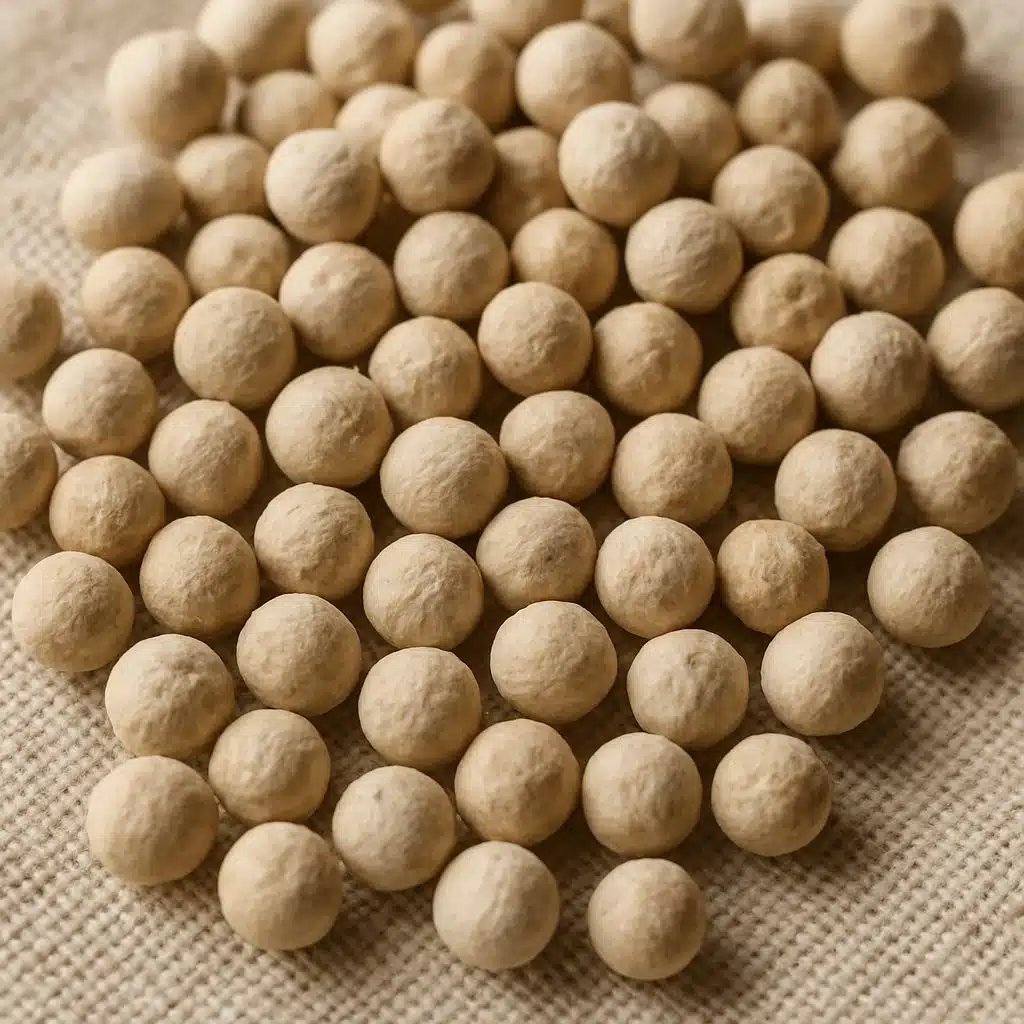
Graine d’Épices offers useful comparisons. Insight: Black pepper combines aromatic robustness with culinary versatility; its character comes as much from the terroir as from the drying process. https://www.youtube.com/watch?v=5gdq663f6YM White Pepper: Method, Milder Taste, and Pairings for Light-Colored DishesWhite pepper differs primarily in the processing of the ripe berry. The peppercorns are harvested at full maturity and then repeatedly soaked in water to remove the pulp. After the outer husk is removed, the kernel remains, which is cream or beige in color once dried. This process sometimes results in fermented notes and a milder texture on the palate. White pepper is used when a subtle seasoning is desired, particularly in dishes where the visual presence of the black peppercorn would be inappropriate: white sauces, béchamel, purées, and white fish. Its aromatic finesse also makes it a frequent choice in Chinese and Thai cuisine, where it adds spiciness without altering the color. Sensory Profile and Local Methods
On the palate, white pepper reveals a muted spiciness, an earthy roundness, and sometimes a slight “fermented” note due to repeated soaking. Different regions showcase variations: Penja white pepper will have a different character than Lampong white pepper.
Technique: immersion to dissolve the pulp, sometimes controlled fermentation.
- Risk: poor control of the soaking process can compromise the aromatic freshness.
- Culinary Advantage: visual subtlety, aromatic stability for light sauces.
- Practical Pairings
Some usage ideas without a detailed recipe:Creamy sauces: add at the end of cooking to add nuance without darkening. Fish and seafood: a delicate pairing with lemon butter. White vegetables: cauliflower, celeriac, purées.
Grocers like
Albert Ménès or the shop La Plantation select batches suited to these uses. To compare the nuances, consult specialized guides like Epices et Saveurs
- or the informative article from
- Papilles et Pupilles
- which helps identify what is best suited to each dish.
Chef’s tip: use a fine grinder for white pepper to obtain a consistent grind. Tip: store white pepper away from light to prevent alteration of its delicate notes. Insight:
white pepper is the perfect partner for light-colored dishes and for those sensitive to spiciness: its mildness masks complexity less than one might expect. Discover the essentials about black, white, green, and red pepper: origins, flavors, culinary uses, and benefits for your everyday recipes.
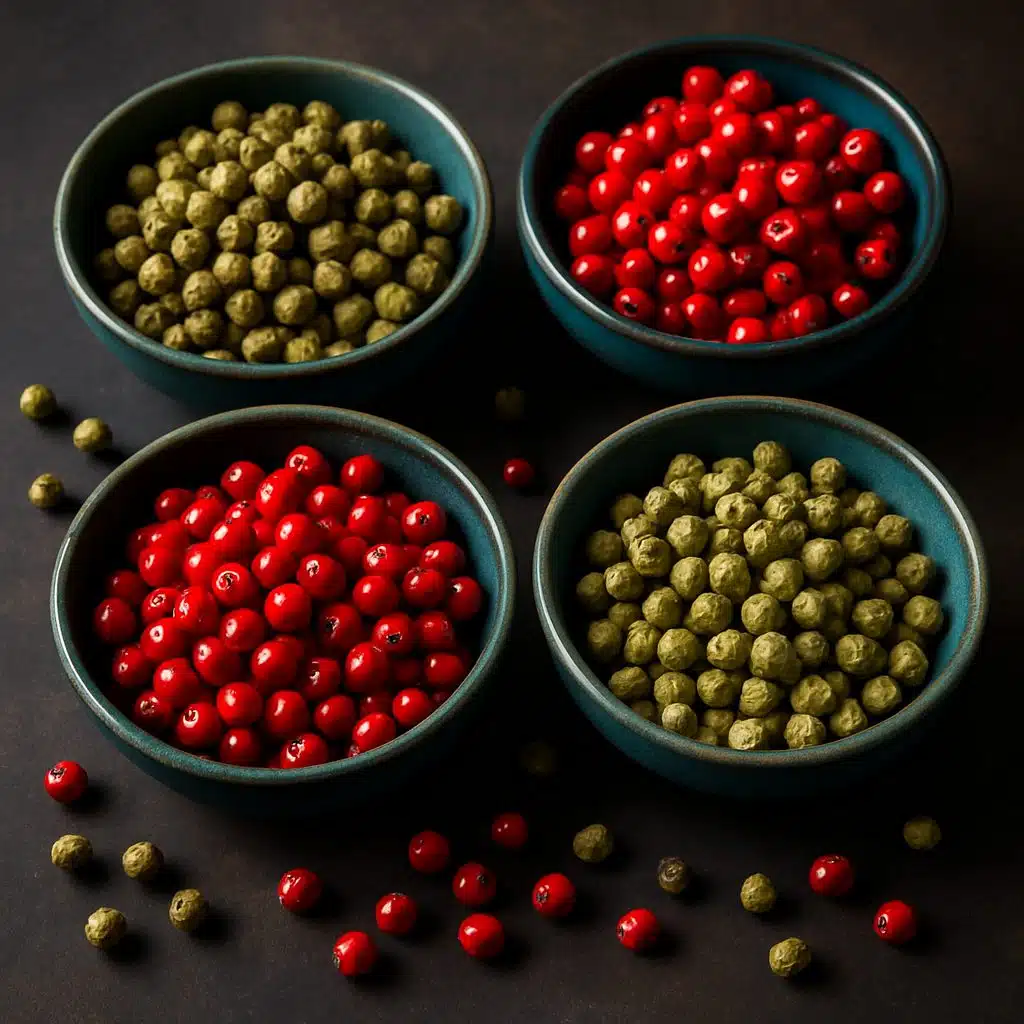
Green peppercorns are the immature version of the peppercorn; they are harvested while the berry retains its green color and freshness. Unlike black pepper, they are not subjected to a long drying process. Preservation methods include freeze-drying, brining, or selling fresh. The resulting aroma is herbaceous freshness, less dry spiciness, and a vegetal note reminiscent of greenery. Red peppercorns, on the other hand, come from fully ripe berries. The whole fruit, sometimes shade-dried, retains fruity and sweet aromas. Its use is less common and reserved for culinary creations that aim to play on the sweet-spicy contrast.
Preservation and Processing Methods
Freeze-drying: preserves color and aromas, practical for dried green peppercorns. Brine: commonly used for preserving freshness, it provides a welcome saltiness in certain condiments.
- Shade-drying: used for red pepper to better preserve its fruity notes.
- Culinary uses vary:
- Green peppercorns: herb sauces, fish accompaniments, light marinades.
Red peppercorns: finishing touches on game, chocolate desserts, sweet and savory marinades.
Forms: fresh, freeze-dried in sauces, crushed as a condiment.
- Concrete examples of use: Imagine a fictional bistro, “La Petite Épicerie de Marin,” which offers a ribeye steak with green butter: the green peppercorns in brine are finely chopped and incorporated into the whipped butter to add a touch of freshness. In a fine-dining restaurant, a chef combines dried red peppercorns with cocoa crumbles to enhance a chocolate dessert and create a sweet and spicy tension.
- To explore these applications further, several resources discuss the diversity of presentations:
- Poivre&Ko
and the explanatory page on Terre & Saveurs offer suggestions for pairings and storage. Appearance Green pepper Red pepper Storage Brine, freeze-dried, fresh
- Fresh or shade-dried
- Aromas
Herbaceous, fresh Fruity, sweet
Fish, cold sauces, condiments
Gastronomy, game, desserts Tip: Freeze-dried green pepper offers the best aromatic longevity if you want to maintain freshness. Tip: Test in small quantities to balance the aromatic presence in delicate dishes.
Resources: Compare products on Epices.comand in the practical guide from
La Brigade des Épices
- .
- Insight: Green and red peppers open up new aromatic possibilities: herbaceous freshness or fruity sweetness, useful for culinary innovation.
Discover the differences between black, white, green, and red pepper: origins, flavors, culinary uses, and tips for choosing each variety.
- Choosing, storing, and using pepper correctly: practical advice, benefits, and a guiding principle.
- Choosing pepper depends on three factors: origin, form (whole vs. ground), and storage method. The fictional shop “La Maison des Baies” serves as a guide for these tips: it prioritizes small producers, displays the origin of its batches, and offers mills suited to different types of peppercorns.
- Practical tips:
Choose whole peppercorns: they better retain their essential oils.
Check the origin: ask for details about the growing region (Kampot, Penja, Lampong).
Avoid suspiciously ground pepper: the powder may be adulterated. Several online resources can help you find producers and make your selection: poivres.info , Epices et Saveurs
| , or the overview at | Poivre&Ko | . When it comes to equipment, a good quality pepper mill is often recommended: see our practical guides on |
|---|---|---|
| Pepper-mills | and aesthetic options in | their catalog |
| Storage and tools | Storage: airtight container, cool, dark place. | |
| Mill: choose a burr grinder—ceramic or steel—to avoid overheating and preserve the aromas. | Presentation: use tinted glass containers or designer mills to enhance your table setting ( | pairing tips |
- ).
- Regarding health, pepper contains beneficial compounds: antioxidants and anti-inflammatory compounds have been identified in scientific literature.
- Piperine is known to stimulate digestion and promote the absorption of certain nutrients. These properties are worth knowing, but they do not eliminate the need for caution: pepper remains a spice to be consumed as part of a varied diet. Benefit: digestive action and mild metabolic stimulation. Limitation: avoid exposing ground peppercorns to air for too long.Health use: incorporate moderately into dishes to benefit from the compounds without excess.
Determining the quality of pepper requires practice: smelling a peppercorn, tasting freshly ground pepper, comparing batches from
,
Épices de Cru
, or other brands. For the table, consider presentation: elegant mills, discreet placement near the salt shakers—see serving and presentation tips on
- Moulin-a-poivre – servir à table
- and
- their staging ideas.
Insight: a good pepper is chosen based on its origin, storage conditions, and shape; a suitable mill and careful presentation prolong its enjoyment and lifespan. https://www.youtube.com/watch?v=3g1dQbP_-vY Additional Resources and Reference Brands Readings:Epices.com , Graine d’Épices .Producers and Grocers:
Le Comptoir Colonial
- ,
- Terre Exotique
- ,La Plantation,
Thiercelin , Savor & Sens
- . Tools: a selection of pepper mills on
- Moulin-a-poivre
- and aesthetic pairing tips on
their collectionInsight: Experimenting with different peppers (from different origins, in different forms, and using different cooking methods) is the most reliable way to refine your palate and identify the perfect pepper for each dish. Frequently Asked Questions and Practical Answers: How best to store peppercorns? Store peppercorns in an airtight container away from light and moisture. Whole peppercorns retain their aroma much longer than ground pepper.Is white pepper hotter than black pepper?
No, white pepper is generally milder and offers a more earthy note, suitable for sauces and light-colored dishes. Which pepper goes best with fish?
Can you substitute green pepper for black pepper in a recipe?
- Yes, but you’ll need to adjust the quantities: green pepper is less hot and also brings a fresh, vegetal note that can alter the balance. How do you choose between pepper mills and salt shakers for serving at the table? A well-chosen pepper mill releases the aromas when serving. For an elegant presentation, match the mill to your tableware and display a few peppercorns in a small container, following the advice onPopper Mill
- .


