
 Camille.Richard
 On the lush Malabar Coast of India grows a spice as ancient as it is precious: Malabar black pepper. Far more than a simple condiment, this berry embodies the very soul of Indian spices, a land rich in flavors and millennia-old wisdom. Its reputation is well established in kitchens worldwide, where its powerful and refined taste elevates dishes from Indian gourmets to Michelin-starred chefs. But beyond its flavor, Malabar black pepper boasts remarkable nutritional value and health benefits, making it an essential spice, deeply rooted in medicinal traditions for centuries. 🌿 Originating from the humid lands of the Malabar Coast, this pepper, often nicknamed “Tiger Pepper,” owes its intensity to a traditional fermentation process that enhances its aromas while preserving its beneficial properties. Its history intersects with that of ancient trade routes connecting Asia to Europe and has helped shape the culinary and medicinal cultures of countless civilizations. Today, with the rise of gourmet foods and the growing appreciation of spice-growing regions among discerning palates, Malabar pepper is experiencing an exceptional resurgence in popularity. Comptoir des Épices and Malabar Spice Co. are committed to preserving this heritage by offering this gem to delight the senses of even the most demanding connoisseurs. 🍽️
In this article, let’s delve into the world of Malabar black pepper, exploring its nutritional richness, its health benefits, and its many culinary uses. We’ll discover how this spice, beyond its captivating aroma, acts as a true natural treasure, combining the flavors of the Orient with well-being in perfect harmony. Prepare to rediscover this essential Indian spice, a champion of health benefits in just a pinch.
Nutritional Value and Health Benefits of Malabar Black Pepper 🌰
Malabar black pepper is much more than just a flavor enhancer. Its exceptional nutritional composition makes it a true health ally. Packed with powerful vitamins A and E, as well as a wide range of essential minerals such as potassium, calcium, magnesium, phosphorus, iron, zinc, copper, lead, and selenium, this small black peppercorn is brimming with benefits. Its main active ingredient, piperine, is responsible for its medicinal properties, recognized since ancient times.
- 🌟 Vitamin Complex : The vitamins A and E present offer antioxidant action, contributing to the protection of cells against premature aging.
- 🛡️ Precious Minerals : Potassium helps regulate blood pressure, while calcium and magnesium are essential for bone and muscle health.
- 🔥 Unique Piperine : This active ingredient enhances its anti-inflammatory efficacy and stimulates metabolism, facilitating weight management.
It’s no coincidence that traditional Indian medicine, particularly Ayurveda, uses this pepper to stimulate digestion and balance energies. Its influence goes far beyond seasoning. In 2025, several studies confirmed that piperine significantly improves the bioavailability of numerous nutrients and medications, making black pepper a true biological modulator.
| 🍃 Nutrient | 💪 Main Role | |
|---|---|---|
| 🌿 Benefit | Vitamin A | Antioxidant and Vision |
| Protects cells, improves eye health | Vitamin E | Powerful Antioxidant |
| Reduces oxidative stress, supports the immune system | Potassium | Fluid Balance and Blood Pressure |
| Contributes to a healthy heart and balanced blood pressure | Calcium & Magnesium | Bone and Muscle Health |
| Strengthens bones, reduces cramps | Piperine | Enzyme Stimulation and Anti-inflammatory |
Promotes digestion, reduces inflammation To explore the benefits of black pepper in more detail, several specialized resources such as Doctonat or Nutrimea

Discover the many benefits of Malabar black pepper, a prized spice from India, rich in flavor and nutrients. Explore its health benefits, its culinary uses, and the secrets that make it a staple of traditional dishes.
Malabar black pepper and digestion: a winning combination for your intestinal comfort
- Malabar black pepper has long been recognized in traditional medicine as a true digestive stimulant. Its components, primarily piperine, promote the secretion of digestive enzymes, significantly improving the breakdown of food. This mechanism helps reduce common digestive issues such as bloating, flatulence, and gastric discomfort. In essential oil form or freshly ground, Malabar pepper also acts as a circulatory tonic that accelerates metabolism and thermogenesis. This property can be beneficial for those seeking natural weight management aids. Furthermore, its richness in minerals and fiber improves gut flora and its resistance.
- 🌿 Digestive Stimulation : Promotes the production of gastric and pancreatic juices.
- ⚡ Transit Regulation : Reduces bloating and promotes intestinal comfort.
- 🔥 Metabolism Activation : Increases thermogenesis and fat oxidation.
| 🍀 Gut Flora Support | : Promotes a balanced microbiota. | It should be noted, however, that the use of black pepper should remain moderate. Indeed, excessive consumption can irritate the gastrointestinal mucous membranes, particularly for people prone to conditions such as Crohn’s disease or ulcers. To best enjoy its benefits while avoiding discomfort, it is advisable to combine black pepper with complementary spices such as turmeric for an even more holistic experience in terms of flavor and health benefits. |
|---|---|---|
| ⚠️ Effect | 🌿 Benefit | |
| ❌ Caution | Enzyme stimulation | Improved digestion and nutrient absorption |
| Do not exceed 1 to 2 teaspoons per day | Anti-inflammatory action | Relieves joint pain |
Avoid if you have severe gastric disorders Activates thermogenesis Aids in weight management Caution in case of hyperthyroidism For further information, reading
or
Care Hospitals
offers relevant insights into these digestive and metabolic functions.
- https://www.youtube.com/watch?v=DrDlA9JUKoo Flavors of the Orient and secrets of using Malabar pepper in cooking
- Malabar black pepper is fully in line with the tradition of Indian spices, enhancing the flavors of the Orient through a rich and warm aromatic palette. Its slightly woody flavor with a hint of fruit makes it perfect for enhancing dishes, adding an elegant and spicy touch. Chefs and enthusiasts of the renowned “Indian gourmet” often prefer using whole black peppercorns, ground at the last minute, to fully appreciate their flavor and health benefits. The pleasure of the senses is then fully expressed in a fragrant and balanced cuisine.
- 🍛 Marinades and Meats: Ideal for enhancing steaks, charcuterie, and grilled meats thanks to its intense flavor. 🥦 Stir-Fried Vegetables: Adds a spicy depth while preserving the freshness of the ingredients.
- 🥣 Sauces and Curries A key ingredient for balancing flavor combinations.
🌶️ Recommended dosage: Always add at the end of cooking to preserve aromas and nutrients. Discover the tips from gourmet food specialists and Malabar Spice Co. to enrich your meals with subtle nuances. The combination with turmeric, highly valued in Ayurveda, not only enhances flavors but also optimizes the bioavailability of active ingredients—a perfect marriage of culinary delights.
| 🍽️ Culinary Uses | 🌟 Flavor Effect | ⏰ When to Use |
|---|---|---|
| Ground Whole Pepper | Releases a fresher, more powerful aroma | Just before serving or at the end of cooking |
| Cracked Pepper | Adds a crunchy, fragrant texture | In marinades or for quick cooking |
| Whole Peppercorns | Optimal preservation of essential oils | Grind as needed |
To learn more about the different types of black pepper and their uses, resources like Univers des Chefs or PepperFun are ideal.
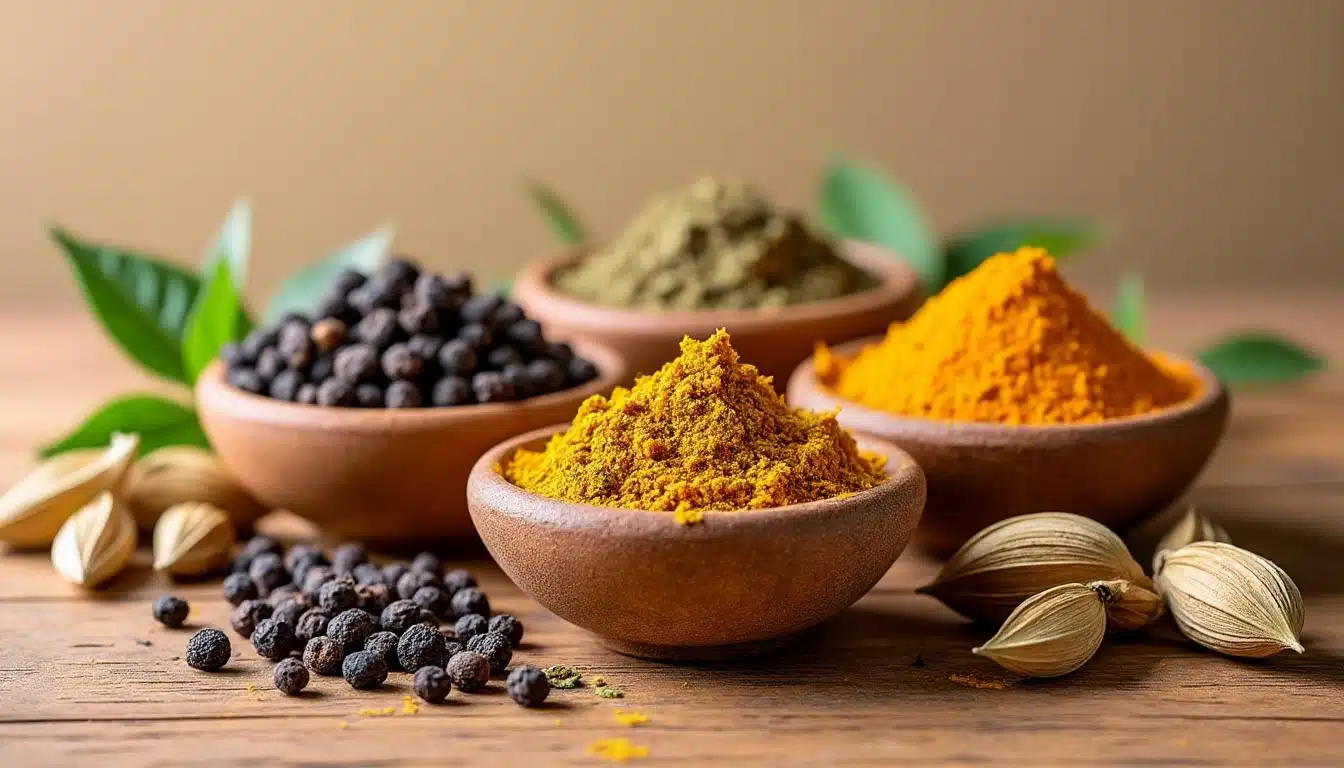
Malabar Black Pepper Through Traditions and Ancient Medicine
- The medicinal use of black pepper dates back millennia. This spice has endured through the ages as a symbol of healing and prevention. In India, particularly in Ayurveda, pepper is used to balance the doshas, improve blood circulation, and relieve joint inflammation. In Traditional Chinese Medicine, black pepper is valued for its stimulating and warming properties, helping to dispel cold and revitalize vital energy. In various cultures, from the Romans to the Moors, pepper was also used to treat infections, relieve pain, and as a general tonic. These uses demonstrate the versatility and therapeutic richness of this spice.
- 🧘♂️ Energy Balance : Used to calm kapha and vata in Ayurveda.
- 🦴 Pain Relief
- : Beneficial anti-inflammatory action against arthritis. 💨
| Circular Stimulation | : Promotes better tissue circulation. | |
|---|---|---|
| 🌱 | Natural Antiseptic | : Properties valued in traditional medicine. |
| 🌏 Tradition | 🌿 Medicinal Uses | |
| 🕰️ Historical Period | Ayurveda (India) | Balances the doshas, stimulates digestion |
| For over 4,000 years | Traditional Chinese Medicine | Stimulates circulation, warms the body |
For over 2,000 years Ancient Italy (Romans) General tonic, treats infections 1st century BCEuropean Middle Ages

10th-15th centuries
Passionate enthusiasts can delve deeper into this knowledge by consulting specialized sources such as
Pure Bonheur
- and La Compagnie des Sens .
- Dive into the fascinating world of Malabar black pepper, a prized spice from India. Discover its many health benefits, its unique aromas, and how it can enhance your dishes. Don’t miss the opportunity to learn more about this essential spice! Storage, precautions, and usage tips for Malabar black pepper
- The quality of Malabar black pepper also depends on its optimal storage and precise use to fully express its qualities. Storing the peppercorns in an airtight container, away from light and moisture, ensures that the essential oils and piperine remain intact. It is recommended to buy whole peppercorns rather than ground pepper to preserve the freshness of their aroma until use. To benefit from their properties, pepper should be added at the end of cooking, as it is sensitive to prolonged heat, which degrades its active compounds.
- 🛡️ Airtight storage: Protects the flavors and prevents moisture. ⚖️ Moderate use: 1 to 2 teaspoons per day are sufficient to enjoy the beneficial effects.
- ⏳ Add at the end of cooking: Preserves essential oils and nutritional properties.
🚫 Digestive precautions: Use with caution if you have gastrointestinal disorders such as Crohn’s disease. 🔗 Synergistic combination: Combine with turmeric to enhance the effects.
| Selecting a good grinder also plays a crucial role. Using a high-quality, ergonomic pepper mill, like those recommended on | Popper Mill | , maximizes the release of aromas. For those interested, advice on choosing and caring for a mill is available on specialized platforms. |
|---|---|---|
| 🔍 Tip | 💡 Trick | |
| ⚠️ Caution | Storage | Store in a dry place in an airtight container. |
| Avoid humidity and direct sunlight. | Grinding | Grind as needed for optimal freshness. |
| Avoid pre-ground, industrially produced pepper. | Cooking | Add at the end of cooking. |
Do not overheat. Consumption 1 to 2 teaspoons per day.
Limit if you experience digestive issues.
- To perfect its use, Popper Mill
offers an essential guide, which you absolutely must check out. Finally, for those who wish to broaden their horizons, articles on Kampot or Sarawak pepper offer a complementary overview of this versatile spice. - Frequently Asked Questions about Malabar Black Pepper
What are the main health benefits of Malabar black pepper? - 🌿
It acts as a powerful antioxidant, improves digestion, has anti-inflammatory properties, and promotes nutrient bioavailability. - How to optimize the flavor of black pepper in cooking?
- 🍽️ Opt for whole peppercorns, freshly ground, and add them at the end of cooking to preserve their aroma and active compounds. What is the difference between black and white pepper?


