Julie Parsont
 Mastering buttercream frosting for cupcakes transforms a simple pastry into a creation worthy of the windows of Lenôtre or Ladurée. This guide brings together practical methods, texture tips, and flavor ideas to achieve a frosting that is both stable and delicious. Key steps include selecting high-quality butter, sifting powdered sugar, controlling the temperature, and choosing the right equipment (food processor, piping bag, and appropriate nozzles). A recurring character, the fictional young pastry chef Camille, serves as an example throughout the text: faced with an order for a children’s party, she adjusts the texture so that the frosting holds its shape without melting in the heat. The text also explains how to personalize the recipe—vanilla, chocolate, fruit puree—and offers references and resources to further develop the technique. Helpful links lead to detailed step-by-step instructions and professional inspiration, particularly for finishing touches and flavor selection. At the end of each section, a practical insight allows you to immediately apply the tip in the kitchen. The goal: to make decorating accessible while producing a result that evokes both the finesse of Pierre Hermé and the elegance of Angélina Paris Cupcake buttercream: basic recipe and essential ingredients For a reliable and versatile buttercream, the basic recipe relies on butter ,icing sugar , a liquid binder, and a chosen flavoring. The quality of the ingredients changes the flavor profile and the consistency of the frosting: abutter with a high fat content will give more creaminess, while sifted icing sugar ensures a smooth texture. Camille prefers to work in a cool room to prevent the cream from softening too quickly. The quantities below are enough to decorate about twenty standard cupcakes. 🥄Softened butter
(unsalted): 125 g — room temperature, pliable but not melted.
🍚 Icing sugar250 g — sifted to avoid lumps. 🥛 Milk or heavy cream : 2 tbsp — to adjust the consistency.
- 🌿 Vanilla extract
- : 1 tsp — or flavoring of your choice (cocoa, coffee, citrus). ⚖️ Tools: food processor or mixer, spatula, piping bag and various nozzles.
- Ingredient 🍰 Quantity ✅ Role ✨
- Pro tip 💡 Butter 🧈
- 125 g
| Fat base, creaminess | Use good quality butter and take it out of the refrigerator 1 hour beforehand for a soft, spreadable texture. | Icing sugar | |
|---|---|---|---|
| 🍚 250 g | Sweetener and structure | Sifted for a smooth, grain-free finish, important for a glaze worthy of | La Maison du Chocolat. Milk/Cream |
| 🥛 2 tbsp | Ease without liquefying. | Add gradually to control the texture and avoid an overly runny frosting. | Flavorings🌸 |
| To taste Customization | Vanilla for sweetness, melted chocolate for structure and rich flavor; fruit purees add freshness. | To delve deeper into the technique, detailed resources accompany this guide, including recipes and professional methods from references such as | Buttercream: The Secret of the Pros |
| or practical step-by-step guides like Making Perfect Buttercream | . | Insight: Using softened butter | and sifting the sugar instantly changes the texture of the frosting. |
Discover our complete guide to making perfect buttercream for cupcakes: tips, decorating advice, and secrets for an irresistible flavor. Ideal for enhancing all your desserts! Assembly and decorating techniques for flawless cupcakes Assembly is the stage where technique meets aesthetics. Gradual and measured beating transforms the butter into an airy texture without making it unstable. The piping bag and the choice of nozzles determine the final result: a star for rosettes, a smooth round for a clean dome. Camille tests several nozzles before delivery to choose the one that holds up best at different ambient temperatures. Inspired by the finishes of renowned establishments likePâtisserie des Rêves
and Fauchon , the icing can remain professional while being simple to execute.
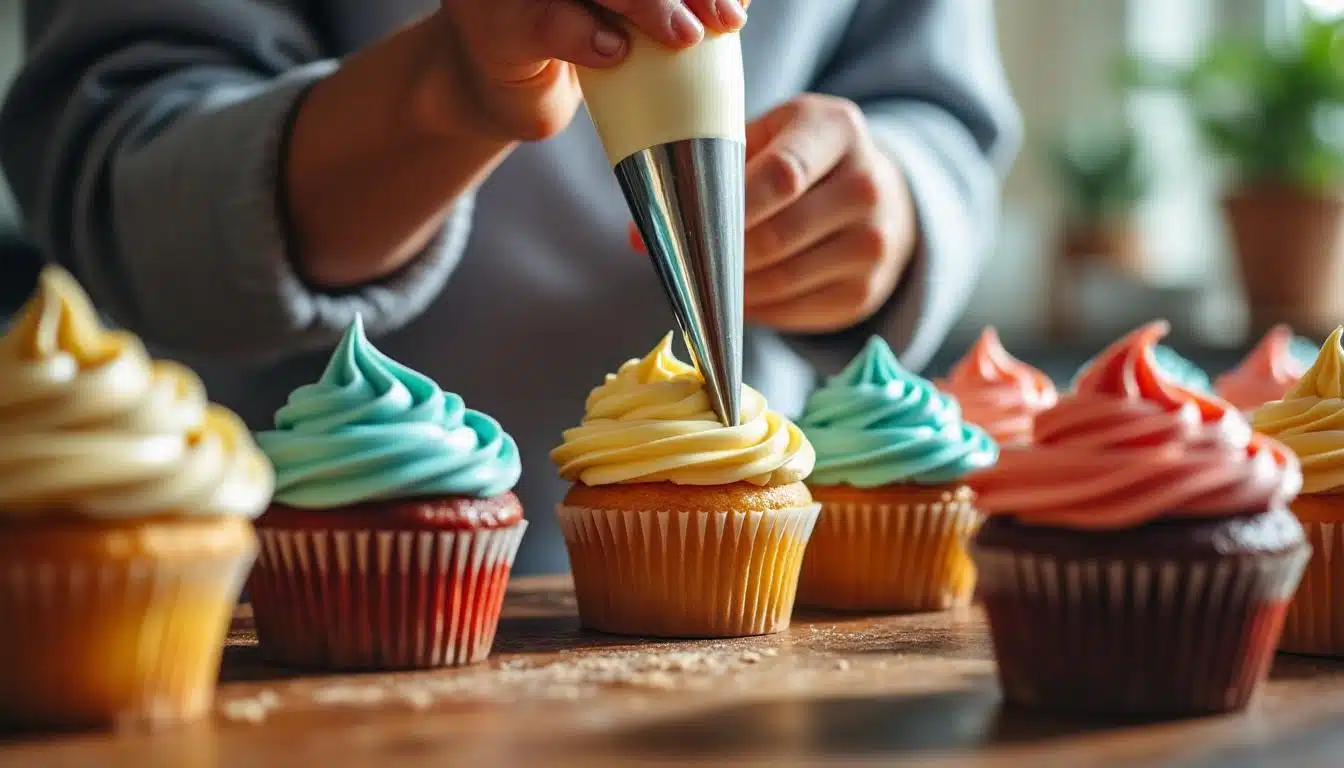
🌀 Whip the butter
5–7 min until light and almost pale. ➕ Add the sugar gradually to avoid splattering and a grainy texture.
- 🎨 Flavor and color sparingly to maintain stability.
- 🔧 Use a piping bag with consistent pressure for an even result.
- To learn precise techniques, consulting detailed tutorials is very helpful. Recommended step-by-step guides include buttercream recipe and techniques and illustrated techniques, such as on
- easy cupcake frosting . These resources visually demonstrate the sequence of whipping, incorporating, and piping. Technique 🔧
Effect 🎯 Quick Tip 💡 Slow Whip 🥣Smooth and Stable Texture
| Start at a low speed, then increase; stop when the cream is homogeneous. | Incorporating Sugar | 🍚 |
|---|---|---|
| Avoids Lumps Add in several additions and sift the sugar for a satin finish. | Piping | 🎯 |
| Clean Decoration Hold the piping bag at a 90° angle for rosettes and at a 45° angle for waves. | https://www.youtube.com/watch?v=vDgekRIjQG8 Insight: Consistent pressure on the piping bag is more important than speed of movement for professional decorating. | |
| Discover our complete guide to perfect buttercream frosting for your cupcakes: decorating tips, preparation advice, and ideas for irresistible flavor. Master every step for perfect cupcakes! | Variations, flavors, and common mistakes to avoid | The variations open up a wide range of creative possibilities: |
,
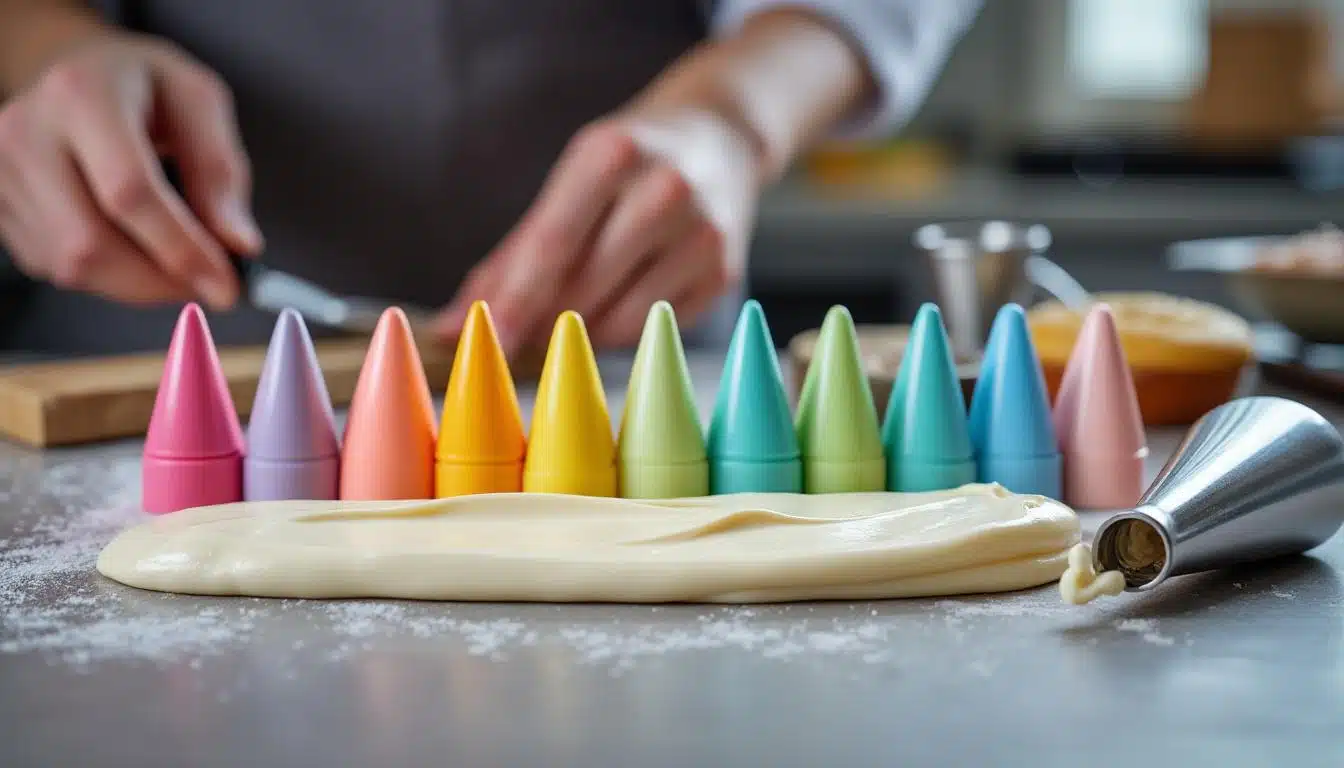
, fruit, cookies, or spiced notes. Some prefer a lighter version with a little whipped cream, while others opt for an intense flavor by adding melted chocolate. Beware of common mistakes:
butter that’s too cold , sugar added too quickly, or working in an environment that’s too warm. Camille learned that chilling for 20–30 minutes often stabilizes the frosting before transport. 🍫Chocolate : incorporate cooled melted chocolate for a dense and flavorful texture.
- 🍋 Citrus : zest and purees for a fresh touch, but use sparingly.
- 🍓 Fruits
- : Strain the purees to avoid excess moisture. ⚠️
- Temperature : Work in a cool room to prevent softening.
For flavor inspiration and pairings, consult recipe examples and tips to save time: secrets to making delicious buttercream, vanilla cupcakes and vanilla buttercream and practical variations on cupcake buttercream.
| Variation 🍥 | Key ingredient 🧪 | |
|---|---|---|
| Standardization tip 🛠️ Classic vanilla | 🌼 | Vanilla extract or bean |
| Do not add too much liquid to maintain the consistency. Chocolate | 🍫 | Cocoa + melted chocolate |
| Chill the chocolate before incorporating to prevent separation. | Fruity | 🍓 |
Strained fruit puree Reduce the milk/cream to compensate for moisture.For unexpected pairings, pepper can be a surprising addition: learning about the characteristics of different peppers helps with dosage (useful resources: black, white, green, and red pepper, benefits of black pepper from Madagascar).Sweet and savory recipes are detailed to take things further, such as a peppercorn sauce suitable for desserts (peppercorn sauce) or pairings with meats for gourmet menus (duck with green peppercorns).https://www.youtube.com/watch?v=ciPIm4pXZqcTip: Testing a small amount of each variation before frosting all the cupcakes prevents wasting an entire batch.
Additional resources: For detailed step-by-step instructions and professional inspiration, explore practical articles such as “Mastering Buttercream: A Complete Guide,” “Mastering Buttercream,” and technical variations on “Buttercream That Holds Its Shape.” For a boutique aesthetic worthy of great houses like
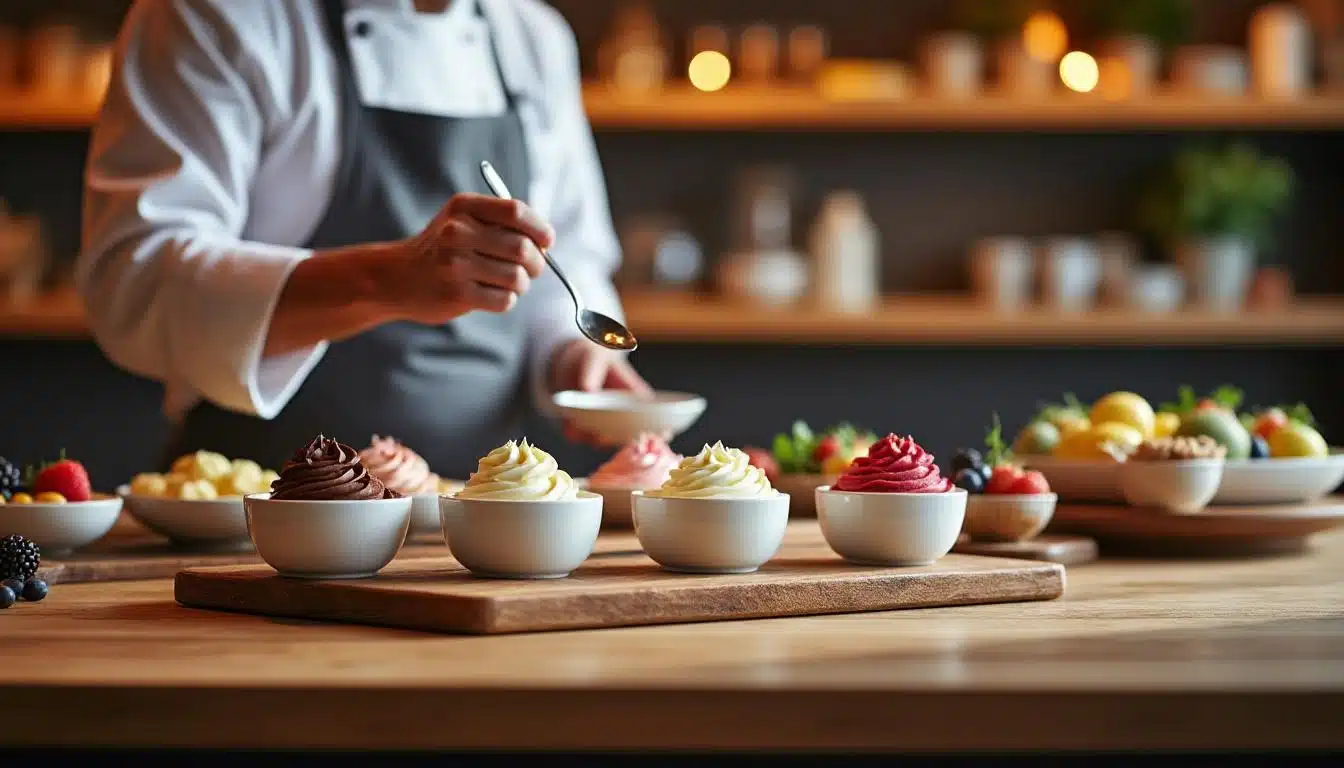
, La Durée Sucréeor Pierre Hermé , attention to detail and the quality of ingredients remain paramount.